Beauty Clinic Safety Standards in Korea
Korean beauty clinics operate under the Ministry of Food and Drug Safety (MFDS), which applies device approval standards equivalent to FDA 510(k) clearance. All energy-based devices including lasers, ultrasound platforms, and radiofrequency systems require MFDS certification before clinical use. Licensed aesthetic medicine specialists must complete 6 years of medical education plus supervised residency training. Korea's 1,500-plus aesthetic clinics undergo regular inspections, and practitioners must maintain valid medical licenses renewed through continuing education requirements.
The Korean healthcare system mandates that beauty clinics maintain sterile procedure rooms, use single-use consumables where applicable, and employ calibrated devices with documented maintenance logs. Emergency protocols require clinics to stock resuscitation equipment and maintain transfer agreements with nearby hospitals. These regulatory layers create a safety framework that matches or exceeds standards found in the United States, United Kingdom, and Australia.
Common Side Effects of Beauty Clinic Treatments
Beauty clinic procedures produce predictable, self-limiting side effects in most patients. Energy-based treatments like POTENZA microneedling and laser toning cause redness lasting 2-4 hours and mild swelling that resolves within 24-48 hours. Injection-based procedures including Botox and dermal fillers may produce pinpoint bruising at 15-20% of injection sites, typically fading within 5-7 days. Skin boosters such as Rejuran and Juvelook create temporary bumps at injection points that flatten within 24 hours.
Lifting Device Side Effects
High-intensity focused ultrasound devices like Ultherapy deliver energy at 60-70 degrees Celsius to the SMAS layer at 4.5mm depth. Patients report moderate discomfort during treatment rated 4-6 on a 10-point scale. Post-treatment numbness or tingling affects roughly 10% of patients, resolving within 2-4 weeks. Radiofrequency platforms including Thermage and Sofwave cause surface warmth and mild erythema lasting 1-3 hours. Onda Coolwaves produce minimal surface effects due to microwave technology that bypasses the epidermis.
Contraindications and Risk Factors
Absolute contraindications for beauty clinic treatments include active skin infections at the treatment site, pregnancy and breastfeeding, and pacemaker or implanted defibrillator devices near energy-based procedures. Isotretinoin users must wait 6 months after discontinuation before undergoing laser or microneedling treatments. Patients with autoimmune conditions such as lupus or scleroderma require specialist clearance before any energy-based procedure.
Medication Interactions
Blood-thinning medications including aspirin, warfarin, and NSAIDs increase bruising risk by 30-40% for injection-based beauty clinic procedures. Practitioners recommend discontinuing these medications 7-10 days before treatment when medically safe. Topical retinoids should be paused 3-5 days before chemical peels or microneedling to prevent excessive sensitivity. A thorough medication review during the pre-treatment consultation identifies these interactions before any procedure begins.
How to Verify Beauty Clinic Qualifications
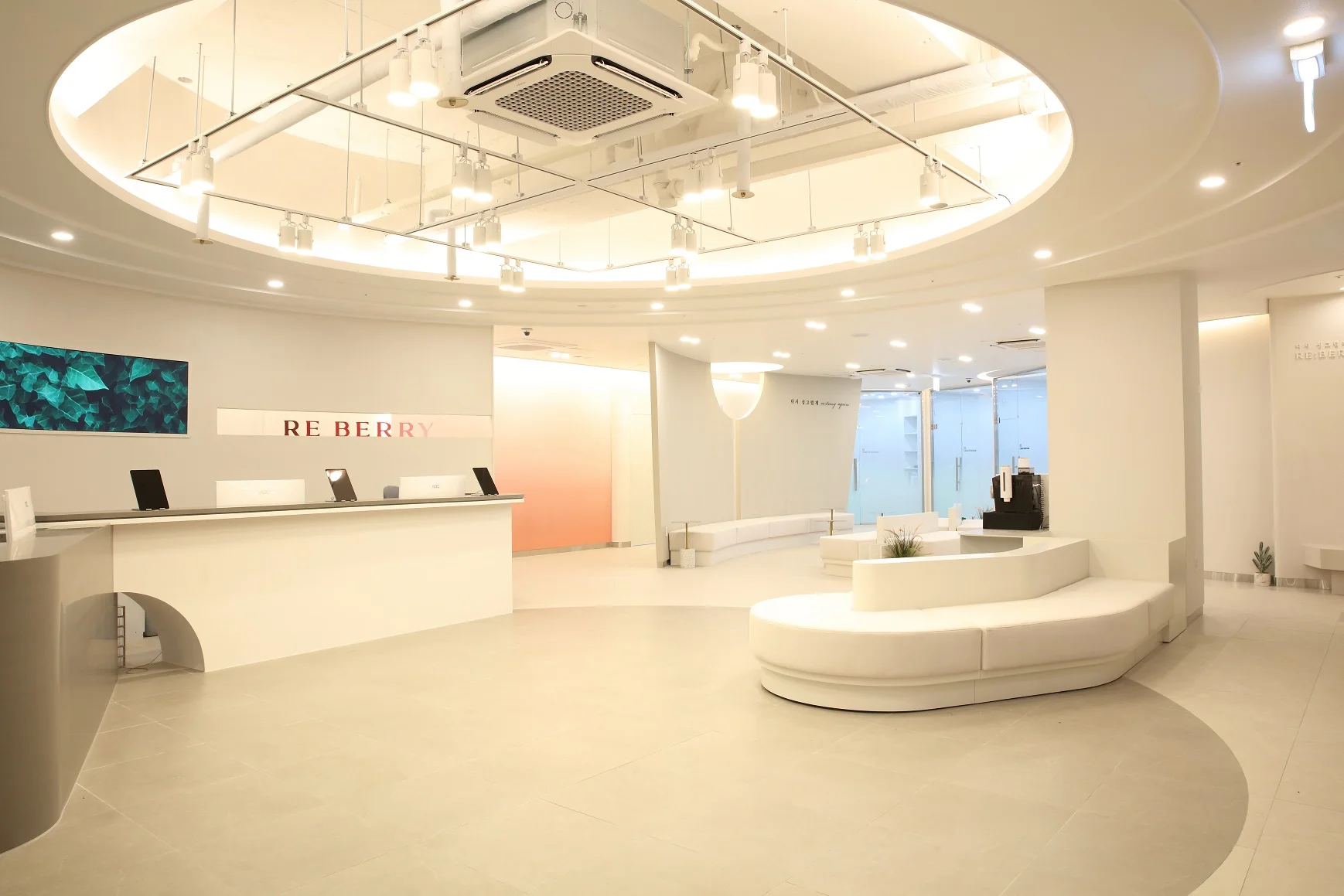
Qualified beauty clinics display their medical institution registration number issued by the local district health office. Patients can verify practitioner licenses through the Korean Ministry of Health and Welfare's online license verification portal. Key credentials to confirm include: valid medical license number, clinic registration certificate, and MFDS certification for all devices used. Aesthetic Medicine Specialist Sung-Jun Cho at RE:BERRY Incheon exemplifies this transparency, with all credentials and device certifications available for patient review during consultation.
International accreditation from the Korea International Healthcare Association (KIHA) indicates clinics meeting additional standards for foreign patient services including multilingual staff, international insurance processing, and standardized treatment protocols. Clinics near Incheon International Airport increasingly pursue these certifications to serve the 2.8 million medical tourists visiting Korea annually.
Long-Term Safety and Clinical Evidence
Long-term safety data for common beauty clinic treatments spans 10-15 years of clinical use. A 2019 systematic review covering 4,876 HIFU procedures reported a serious adverse event rate of 0.27%, primarily involving temporary nerve irritation. Shin et al. Journal of Cosmetic Dermatology. 2019;18(6):1645-1651. doi:10.1111/jocd.12892. Microneedling radiofrequency devices demonstrate consistent safety across skin types I-VI, with a meta-analysis of 32 studies documenting no cases of permanent scarring or dyspigmentation when performed at manufacturer-recommended settings.
Dermal fillers carry a delayed hypersensitivity reaction risk of 0.02-0.4% depending on the filler type, with hyaluronic acid products offering the advantage of reversibility through hyaluronidase enzyme. Neurotoxin treatments show no cumulative toxicity across repeated treatments spanning 10 or more years of documented use. Regular follow-up at 2-week and 3-month intervals allows practitioners to monitor treatment outcomes and address any delayed-onset concerns.